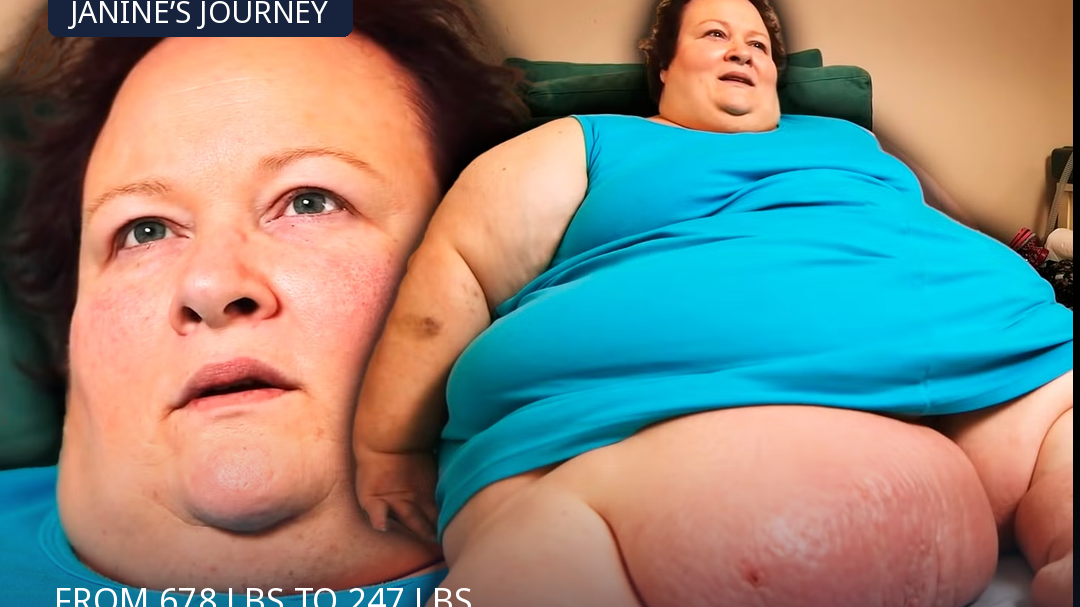
- At 55, Mueller sought Dr. Younan Nowzaradan’s help while weighing 678 pounds.
- She said childhood diets and diet pills affected her relationship with food.
- Her weight increased further after her parents died, and she became more isolated.
- She depended on a mobility scooter and had difficulty walking for nearly a decade.
- A gastric balloon was added after early weight-loss efforts had mixed results.
- She later had bariatric surgery and reported reaching 247 pounds, a 431-pound loss.
- As her confidence and independence improved, she joined a dating site and met Doug.
- She was considering skin-removal surgery as a possible next step.

A remarkable transformation
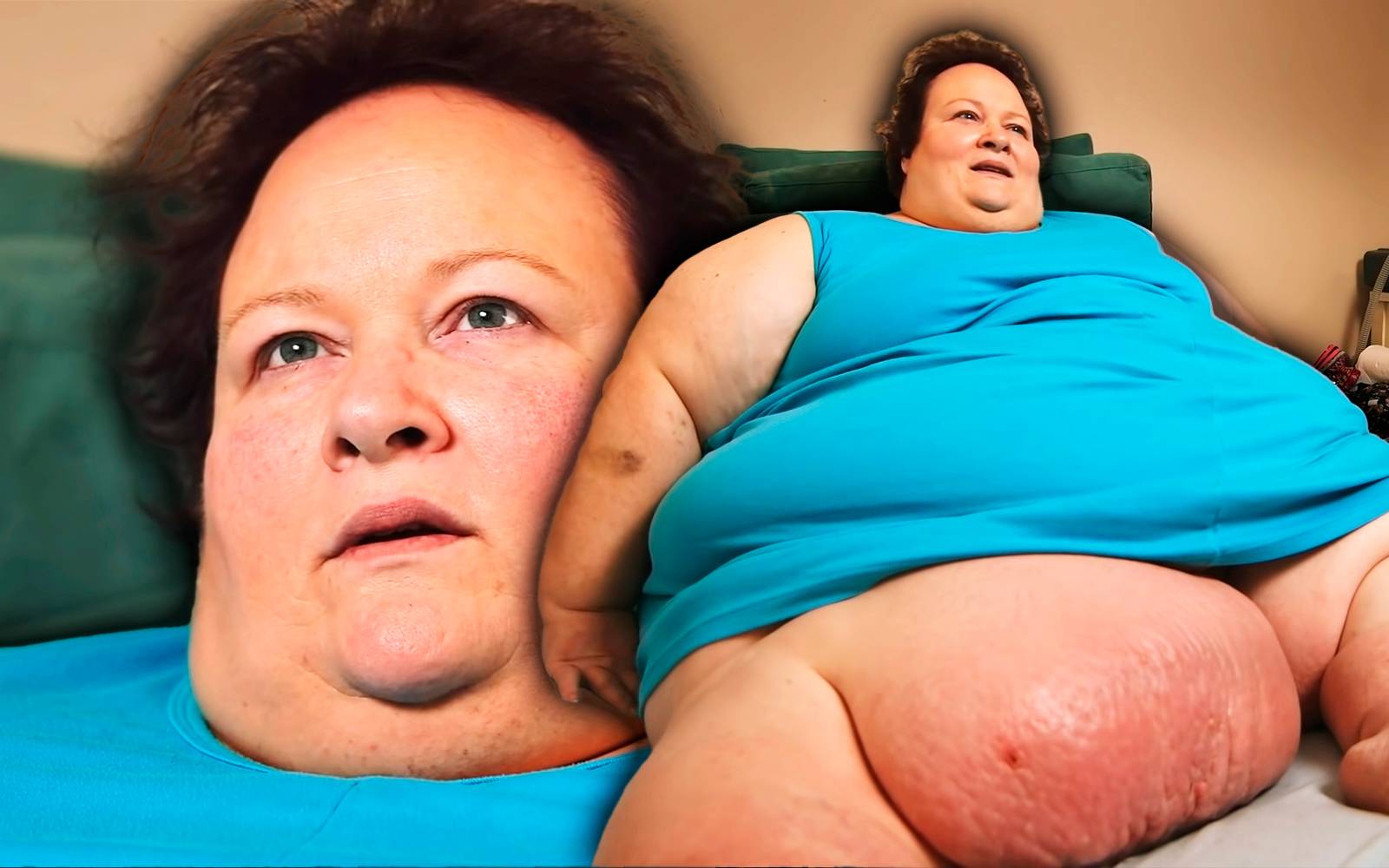
When viewers met Janine Mueller on My 600-lb Life, she was 55 and weighed 678 pounds. The Seattle resident said severe pain and limited mobility had kept her reliant on a scooter for nearly a decade. After about two years of medical treatment, changes to her eating, therapy, and rehabilitation, she reported reaching 247 pounds—a 431-pound difference from where she began.
Mueller turned to Houston surgeon Dr. Younan Nowzaradan after years of struggling to manage her weight. For her, joining the program meant trying to regain control of her health and create a more independent life. The process was not a straight line: it brought emergency care, painful procedures, a significant regain, and emotional challenges connected to her past.
Even as her body changed, Mueller had to keep working through the circumstances that made progress difficult. Her story included periods of discouragement as well as milestones, and she continued treatment after setbacks that might have ended earlier attempts.
A difficult relationship with food began in childhood
Mueller said worries about her size began before she was old enough to understand them. She was adopted as an infant, and her parents were reportedly advised to monitor her weight because her birth mother was described as a large woman. She recalled being put on a diet at three and prescribed diet pills at four. Mueller later said the medication left her overstimulated, and she connected those early experiences with shame and confusion about food and her body.
Instead of giving her a healthy foundation, those restrictions became part of a difficult emotional history. Mueller described feeling that she did not measure up to what her parents expected. As she grew older, eating could bring temporary comfort when she felt anxious, rejected, or unhappy.
She also found moments of acceptance as a plus-size model and took part in photo shoots. That work allowed her to present herself with more confidence, but it did not take away the distress she carried in private. Food remained one of the ways she tried to manage feelings that had built up over many years.
Grief contributed to a worsening food addiction
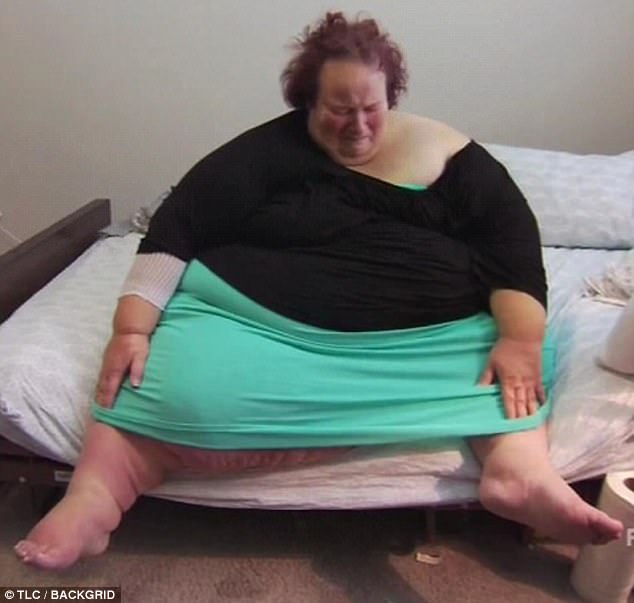
The deaths of Mueller’s parents added to her grief, and she said her reliance on food grew during that period. Her weight continued to increase while movement became more painful. Work, socializing, and routine tasks grew harder to manage, and the world outside her home became more difficult to reach.
For close to a decade, she depended on a mobility scooter for even short trips. The scooter helped her get around, but it did not make daily life easy. Getting out of bed, moving from one room to another, and leaving the house could require substantial effort. Less movement contributed to further health problems, while pain made becoming active more difficult.
By the time she weighed 678 pounds, Mueller understood her condition had become critical. After unsuccessful efforts to handle it on her own, she contacted Dr. Nowzaradan and agreed to travel from Seattle to Houston. Reaching his clinic proved to be a challenge before treatment had even properly begun.
A frightening journey to Houston
Mueller’s first effort to fly to Houston ended when she had a panic attack on the plane. Paramedics helped her off, and she could not attend the appointment in person. Dr. Nowzaradan spoke with her by video and set out a controlled eating plan, encouraging her to lose some weight before attempting the journey again.
On her second try, Mueller boarded the plane, but the trip was still painful. After landing in Dallas for a connecting flight, she experienced severe pain and could not continue by air. Paramedics were called once more, and an ambulance carried her the rest of the way to Houston.
Arriving at the clinic opened the door to treatment, but it did not instantly resolve the habits and health issues she was facing. Mueller still had to show that she could follow the plan while dealing with infections, limited mobility, and the emotional history tied to food.
Weight loss followed by a serious setback
During the program, an infection in Mueller’s groin and leg required an extended hospital stay. She remained there for about two months. With her meals carefully managed, she lost 118 pounds and reached 545. The change was substantial, but maintaining it at home proved much harder.
Within a month of returning home, Mueller had regained 63 pounds. The quick increase alarmed Dr. Nowzaradan, who warned that her health could be in immediate danger if she did not change direction. For Mueller, the setback also revived the fear that another attempt to lose weight might end in disappointment.
Years of diets and unsuccessful efforts had already left Mueller afraid of repeating the same cycle. The regain was therefore both a medical warning and an emotional blow. Her care team looked for another way to support portion control while she continued addressing the causes of her eating habits.
Her care team recommended a gastric balloon to help her feel full after smaller portions. The device was intended as an added support while she continued working on eating habits and emotional triggers; it could not solve those problems on its own.

Complications during the gastric-balloon procedure
The first attempt to place the balloon was postponed when the medical team could not use the X-ray equipment as needed. The difficulty upset Mueller, and she had to return for another try. The later procedure succeeded. After one month, she had lost 42 pounds; her total loss stood at 112 pounds, bringing her weight to about 566.
Progress slowed again during the next stage. At one point, Mueller lost only seven pounds over a month, despite having the balloon in place. Dr. Nowzaradan urged her to take an active role in her choices, emphasizing that the device was only one part of treatment and that lasting progress also required changes to daily habits and attention to emotional health.
Mueller began therapy and worked through experiences that had affected her relationship with food. Over a later two-month period, she lost about 82 pounds and reached roughly 478. The progress moved her closer to qualifying for additional medical care.
Removing a 40-pound lymphedema mass
Mueller also had severe lymphedema in her right leg. The condition caused fluid and tissue to build up, creating a mass that made movement more uncomfortable. Doctors removed a mass weighing close to 40 pounds, easing some of the physical burden.
Recovery was still difficult. Even after the procedure, Mueller struggled to get out of bed and walk. Years of limited movement had left her with little strength or endurance, and pain could make simple exercises feel overwhelming. She needed rehabilitation and physical therapy to practice standing, walking, and rebuilding stamina in manageable steps.
Finally approved for weight-loss surgery
Mueller spent time in a rehabilitation facility where her food plan and activity could be monitored. After she made progress, doctors removed the gastric balloon and approved her for bariatric surgery. Approval was a major milestone, but the procedure still required her to continue the work around eating, therapy, and movement.
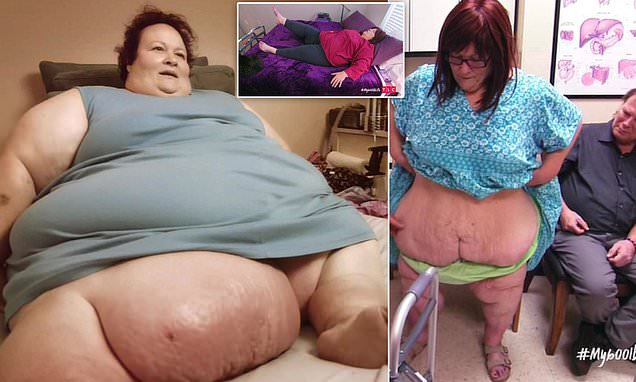
After surgery and a return to rehabilitation, Mueller lost more than 80 additional pounds, reaching about 325. She began using a walker more often instead of depending on her scooter for every trip. The change gave her more freedom and offered a practical way to keep building strength.
Her meals also changed as she followed the post-surgery plan, with healthier choices such as salads replacing some of her earlier comfort foods. She spent more time outdoors, and painting in her garden brought back an activity she enjoyed. Those moments helped make daily life feel less centered on clinics and procedures.
A new appearance and a chance at love
As Mueller’s health improved, she became more open to social connections. She tried a new look, including wearing a wig, and joined an online dating service. Meeting Doug gave her a chance to build a relationship after years when isolation had shaped much of her life.
Doug supported Mueller during later appointments and accompanied her to a weigh-in with Dr. Nowzaradan. There, she learned she had lost another 44 pounds. The number marked continued progress, while having someone beside her made the moment feel different from the difficult medical steps she had faced alone.
Down to 247 pounds and preparing for the future
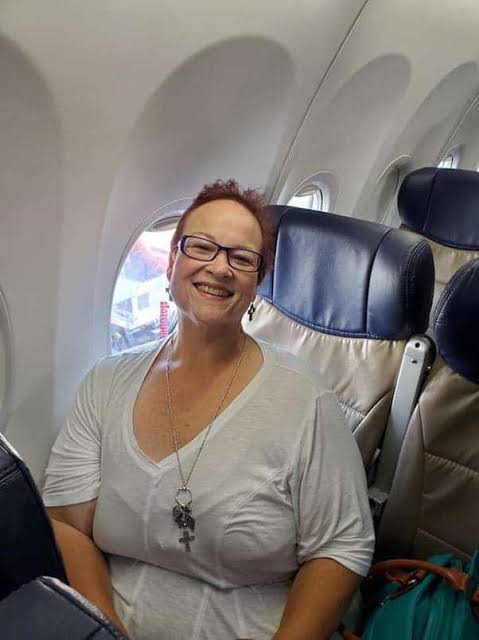
At the end of the two-year transformation, Mueller weighed 247 pounds. From her starting point of 678, that was a reported loss of 431 pounds—about 64 percent of her original weight. She was walking more often with support and enjoying activities that had once been difficult to manage.
After losing so much weight, Mueller was a potential candidate for skin-removal surgery. The remaining excess skin could affect comfort and movement, so any procedure would be a possible next stage to discuss with her medical team. Doug remained a source of support as she considered the future, adding a new kind of connection to a journey that had begun amid fear, grief, and isolation.
Her experience showed that weight-loss surgery was only part of the process. The gastric balloon, bariatric procedure, and lymphedema surgery addressed different physical problems, while therapy, rehabilitation, and daily changes helped her keep moving forward. Each stage depended on continued care rather than one quick fix.
More than a number on the scale
Mueller’s 431-pound loss is the easiest part of her story to quantify, but it does not capture every change. She faced frightening travel, a hospital emergency, a regain, and procedures that demanded long recoveries. She also worked to walk more independently, returned to painting, and allowed herself to imagine a relationship.
Her progress did not erase the experiences that shaped her, and it did not make every challenge disappear. It gave her more room to make choices that had once seemed out of reach. From needing paramedics on the way to Houston to sharing later milestones with Doug, Mueller’s life entered a new chapter built around greater mobility, support, and possibility.